TLDR;
A big mine in China shut, prices jumped, and risk just got real. Let’s unpack what happened and what you can do next.
What happened
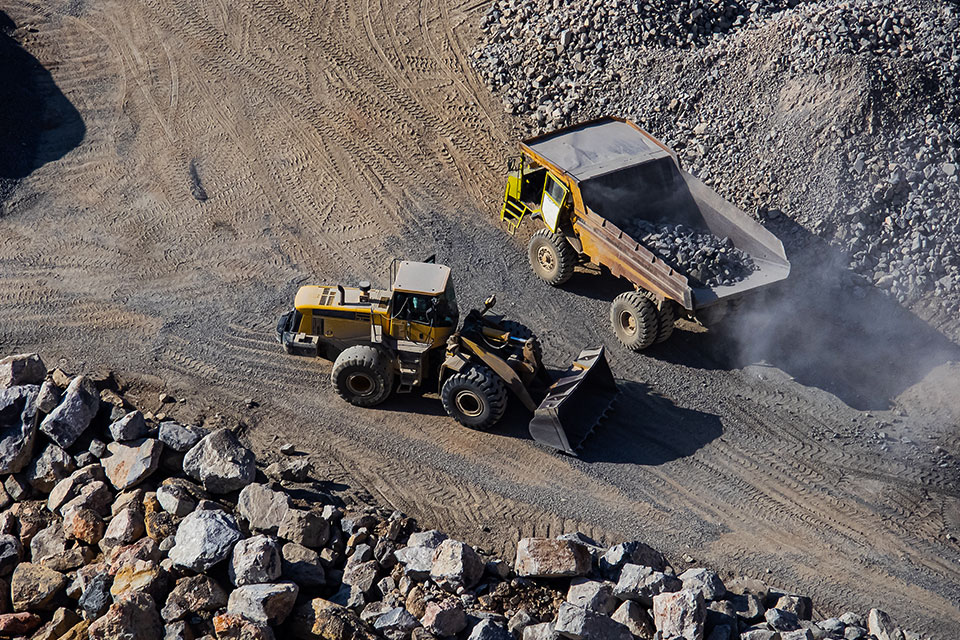
On 11 August 2025, CATL confirmed it halted operations at the Jianxiawo lithium mine in Yichun, Jiangxi, after its permit expired. Bank of America estimates this mine supplies about 6% of global lithium output. Other Yichun mines add at least a further 5%, so over a tenth of world supply could be at risk if curbs widen.
How the market reacted
Pricing moved fast. Lithium carbonate futures in Guangzhou hit the daily limit, up 8%, with the November contract around 81,000 yuan per tonne. Spot prices in China rose about 3% to 75,500 yuan per tonne, and some forward quotes pushed higher. Producer equities rallied in double digits across the US, Chile, China and Australia.
Why this matters
China is reviewing several Yichun operations for compliance. Local authorities have asked eight miners to submit reserve reports by the end of September. Investors now expect tighter oversight as Beijing leans into its “anti-involution” push to curb overcapacity and re-price strategic resources. A small paper change can become a large supply shock.
The signal for leaders
You care about cost, continuity and carbon. This episode touches all three.
- Supply security: Vertical integration helps, yet it also concentrates risk. A single permit issue moved global prices.
- Policy exposure: Compliance drives availability. Resource nationalism and ESG enforcement now live in the same sentence.
- Volatility as normal: Prices and equities repriced within hours. Plan for price spikes, not just base cases.
The MiniMines view: build local resilience with recycling
Recycling is a practical hedge against single-country risk. It diversifies feedstock, cuts import exposure and lowers lifecycle emissions.
- Turn waste into supply: Our Hybrid Hydrometallurgy (HHM™) process recovers high-purity lithium, cobalt and nickel from end-of-life batteries. These materials re-enter Indian and regional value chains.
- Reduce variance: Local, recycled inputs soften the blow from overseas policy shocks and port bottlenecks.
- Meet targets: EPR and BWMR compliance is simpler when collection, processing and reporting sit under one roof.
What to do next
Move on two tracks; risk and opportunity.
- Near term risk control
- Map exposure to lithium from a single geography.
- Stress-test contracts for permit, quota and logistics delays.
- Lock in indexed offtake for recycled materials where possible.
- Medium term advantage
- Stand up a battery take-back and sorting programme with a recycler that can deliver battery-grade outputs.
- Build recycled-content targets into sourcing.
- Use second-life and recycling pathways to meet cost and carbon goals.
If this closure spreads or repeats, price pressure will return. If it eases, the warning still stands: concentration risk is expensive.
Recycling is how you buy back control. If you are keen on knowing how to implement this, contact our advisors today