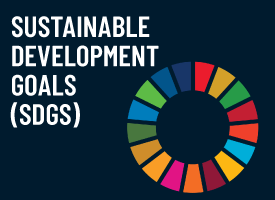
A world that’s moving fast cannot help but seek development. Infrastructure, technology, mobility, and industrial progress are all essential to human development. However, this development cannot be at the expense of our planet. The old model of “develop first, repair afterwards” is no longer an option in the light of climate change, depleted resources, and loss of biodiversity. Rather, the future is a wiser, circular way. It is one in which development and sustainability are complementary, not competitive. And at the heart of the harmony is recycling, particularly in one of the most crucial aspects of contemporary living: batteries.
Why battery recycling is the key to sustainable development
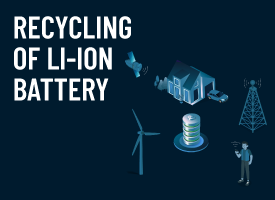
As electric vehicles, renewable energy storage, and portable electronics have become increasingly prevalent, lithium-ion batteries and other batteries have seen a surge in demand. So has the issue of waste. Battery chemistry contains finite resources such as lithium, cobalt, nickel, and manganese. These resources are produced for usage through energy-intensive processes.
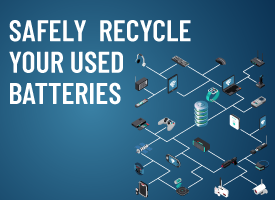
Additionally, discarded batteries can pollute water and soil. They are also potentially extremely hazardous as a fire hazard when not recycled or disposed of appropriately. Nevertheless, reused batteries upon recycling can become a huge source of recyclable materials that can make a difference. Good battery recycling can lessen the need for virgin mining, reduce energy consumption and carbon emissions, and develop the potential for a closed resource pathway where the materials can be recycled back into manufacturing, which alleviates environmental pressure and allows long-term economic viability. By putting money into battery recycling facilities, governments and companies can not only dispose of e-waste more sustainably but also develop green jobs and encourage innovation in clean technologies.
Saving biodiversity through smarter decisions
Biodiversity is the vibrant brocade of life on Earth. It is typically the low-key victim of uncontrolled development. Mining, deforestation, and pollution disrupt delicate ecosystems. They cause the extinction of animals and also destabilize natural systems upon which humanity relies for fresh air, water, and food. By minimizing raw material extraction needs, we minimize the loss of forests, rivers, and wildlife habitats. By adopting a circular economy, we provide nature with the space it so badly needs to recover. With every recycled battery, instead of just dumping them, we reduce our footprint on ecosystems. This greatly helps to create space for wildlife to coexist with human development.
Various battery recycling methods and their characteristics
There are mainly three battery recycling methods. These are pyrometallurgy, hydrometallurgy, and direct physical recycling. Each of these offers unique benefits and challenges.
- Pyrometallurgy is simple and suited for large volumes but is energy-intensive and emits CO₂.
- Hydrometallurgy ensures high metal recovery with lower energy use but produces significant wastewater and incurs higher costs.
- Direct physical methods are eco-friendly and low-cost but limited in application and recovery efficiency.
Sustainable advancements include hybrid techniques combining these methods for optimal results, enhanced leaching processes (e.g., oxalic acid use), and improved efficiency via microwave or ultrasonic treatment. Wastewater management and integrated systems are crucial for truly sustainable battery recycling practices.
MiniMines: Powering the circular economy
Leading the charge on this green revolution is MiniMines, a pioneer in the field of battery recycling. Through the creation of innovative solutions to recover and repurpose key battery materials, MiniMines is creating wealth from waste — and doing so with the least harm to the environment, development and sustainability go hand in hand. Our pioneering process is establishing new standards for the way industries can be drivers of economic growth and ecological harmony. MiniMines is not just recycling batteries; we are reimagining the future of sustainable energy. With our innovative recycling Hybrid Hydrometallurgy process we are trying to make a difference and prove that growth doesn’t have to cost the world. It can, and should, resuscitate it.