Take a walk around any Indian city and you will see the difference. The skyscrapers are changing the skylines, the automated cars are driving through the busy streets, and the technology silently runs our lives. But under this wave of progress, there is a great question, which is this: where are we going to get the raw materials to keep it up?
That is where the urban mining comes in. It does not have to do with digging into the earth. It is all about taking back useful resources out of stuff we have used already: electronics, batteries, old appliances, and even construction waste. It is simply transforming what was wasted yesterday into wealth tomorrow. And for a country like India, this approach isn’t just smart, it’s essential for achieving our Sustainable Development Goals (SDGs).
What Is Urban Mining?
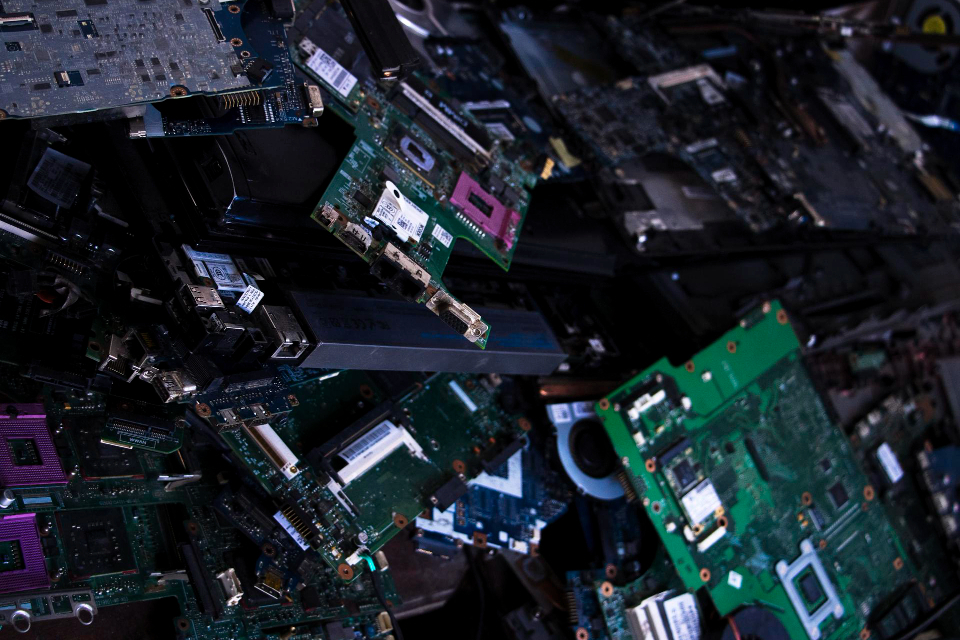
Urban mining is the re-use of valuable materials such as copper, lithium, nickel, and gold through the extraction of them from the manufactured electronic devices and batteries discarded. The e-waste may be disposed of in landfills, but we may transform it into an urban resource.
It is only necessary to imagine that each battery of an old phone, laptop, or EV is a tiny treasure chest. Collectively, they have tonnes of valuable metals which can be reused to make the next generation of clean technologies.
This is a very fitting concept for the idea of the so-called circular economy, where products are reused, repaired, and recycled rather than being disposed of. By implementing urban mining, India will be in a position to minimize the imported items, reduce the pressure on natural resources, and manage waste better.
Why It Matters for India’s Sustainability Goals
India is also a signatory to the United Nations Sustainable Development Goals (SDGs), a world aims to develop a fair, healthy, and sustainable world. The concept of urban mining directly contributes to some of these objectives.
An example is SDG 12 (Responsible Consumption and Production), in which the sustainable consumption of resources is promoted. This is achievable through urban mining because the valuable materials are kept in circulation. SDG 13 (Climate Action) is also beneficial, as recycling metals generates a much smaller number of emissions in comparison to mining them out of the ground.
Even SDG 8 (Decent Work and Economic Growth) is affected. A developing recycling and recovery market will generate employment opportunities not only for the qualified engineer but also for technicians and operators, and local employees.
When we recycle an old battery or refurbish something discarded, then we are not simply creating less waste. We are literally assisting India to achieve its sustainability objectives on a step-by-step basis.
Reducing the Pressure on Natural Resources
The outdated mining is unfriendly to the environment. It consumes land, energy, and water. It also causes pollution and interference with the ecosystems. Urban mining, on the contrary, is more efficient and cleaner.
Reusing metals that are already in the cities will reduce the amount of metals that need to be extracted from the earth. An example of this is the recovery of the metals in e-waste, which consumes up to 90 percent less energy as compared to conventional mining. It is a huge saving in terms of economy and the environment.
And here’s the best part — urban mining doesn’t require digging new holes or displacing communities. The resources are already here, hidden inside the products we’ve discarded.
Powering India’s Clean-Tech Ambitions
The availability of such materials as lithium, cobalt, and nickel, which are the components of modern-day batteries, is also essential to the transition of India towards clean energy. With the introduction of electric cars and renewable storage technologies, the demand for these metals will not decrease.
It can be quite dangerous and costly to depend on imports of such materials. Urban mining is a local sustainable alternative. Using recovered materials from used batteries and electronics, India can create an autonomous supply chain to help it realize its clean-tech goals.
It is not only about being economical, but the development of resilience and dependability in the rapidly evolving global economy.
Creating Jobs and Driving Innovation
Urban mining isn’t only about machines and metals. It’s about people. This sector has the potential to create thousands of jobs in the areas of collection, sorting, detachment, and processing.
It also stimulates startups and research centers to be creative – to come up with smarter methods of reusing complex materials or creating something that can be more easily taken to pieces. Such an integration of technology and mission is what makes the sector so optimistic.
Urban mining can be transformed into a national movement when industries, regulators, and innovators unite to make it a niche practice.
Building a Circular Future Together
The beauty of urban mining is that it’s not just for scientists or policymakers. It involves all of us. Whenever you send away an old product or recycle, you are bringing about a bigger circular ecosystem.
The urban centres in India are expanding rapidly. So is the electronic and battery garbage mountain. To transform that challenge into an opportunity, one will need to be aware, regulated, and collaborate. Governments can have definite recycling targets. Companies can design products for easier recovery. And citizens can make simple, mindful choices.
A Step Towards a Sustainable Tomorrow
Urban mining isn’t just a technical solution — it also requires a shift in mindset. It informs us that nothing is in vain and, therefore, waste is an initial point. With a renewed thinking of using and re-using materials, India can take a step towards its sustainability and generate new pathways to the economy.
Even today, it is time to do something, whether you are a manufacturer, a policy maker, a recycler, or even a good citizen, and are a part of this ecosystem. We must find the blessing in our cities and develop a more sustainable, cleaner, and circular future in cooperation.